
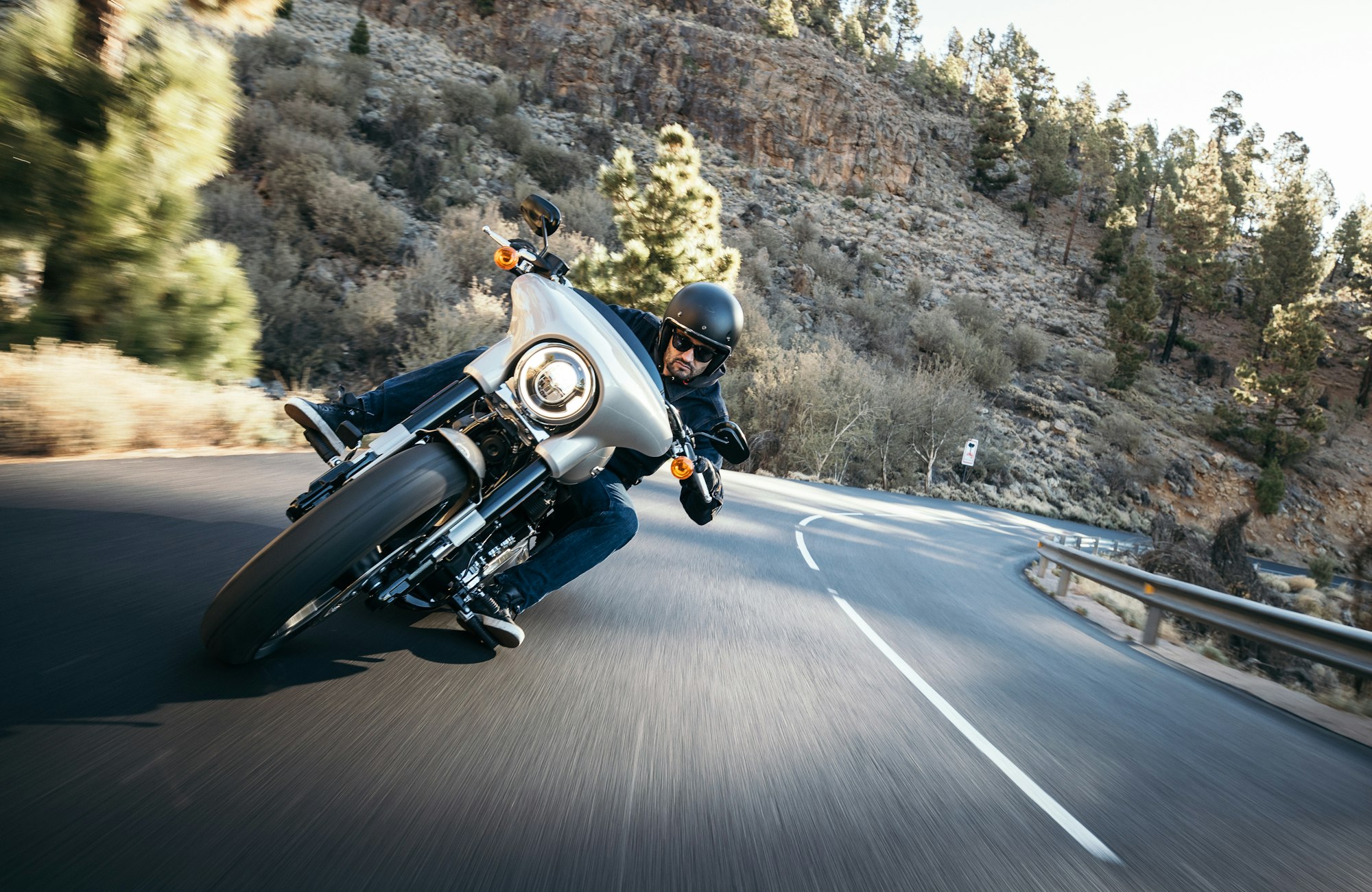
California is the only state that formally recognizes lane splitting, where a motorcyclist rides between lanes of slow or stopped traffic. That legal status matters when a rider is hurt, because insurance companies often try to treat lane splitting itself as proof of fault.
What the Law Says
California’s Vehicle Code defines lane splitting and allows the California Highway Patrol to develop safety guidelines for it. Lane splitting is not prohibited. Like any driving, though, it must be done safely and at a reasonable speed for conditions.
How Fault Is Evaluated
Being a lane-splitting rider does not automatically make you responsible for a crash. The question is how everyone behaved. Common causes of lane-splitting crashes include:
- A driver changing lanes without signaling or checking mirrors
- A driver opening a door or swerving in stopped traffic
- A driver intentionally blocking a motorcycle
- Sudden braking or unsafe following
Under comparative fault, if a rider was going too fast for conditions, their recovery may be reduced, but the driver who caused the collision can still be responsible for the rest.
The Bias Problem
Riders often face an assumption that they were reckless. Good evidence fights that assumption: helmet camera footage, witness statements, damage patterns, and accident reconstruction. California requires all motorcycle riders and passengers to wear a helmet, and wearing one also helps answer arguments about injuries.
After a Motorcycle Crash
- Get medical care, even for injuries that seem minor
- Save your helmet, gear, and any camera footage
- Photograph your bike and the scene
- Avoid discussing fault with the other driver’s insurer
The JVB Law Firm represents injured motorcyclists throughout California. Call for a free consultation.
This article is general information, not legal advice. Reading it does not create an attorney-client relationship. Every case is different; speak with a lawyer about your situation.