
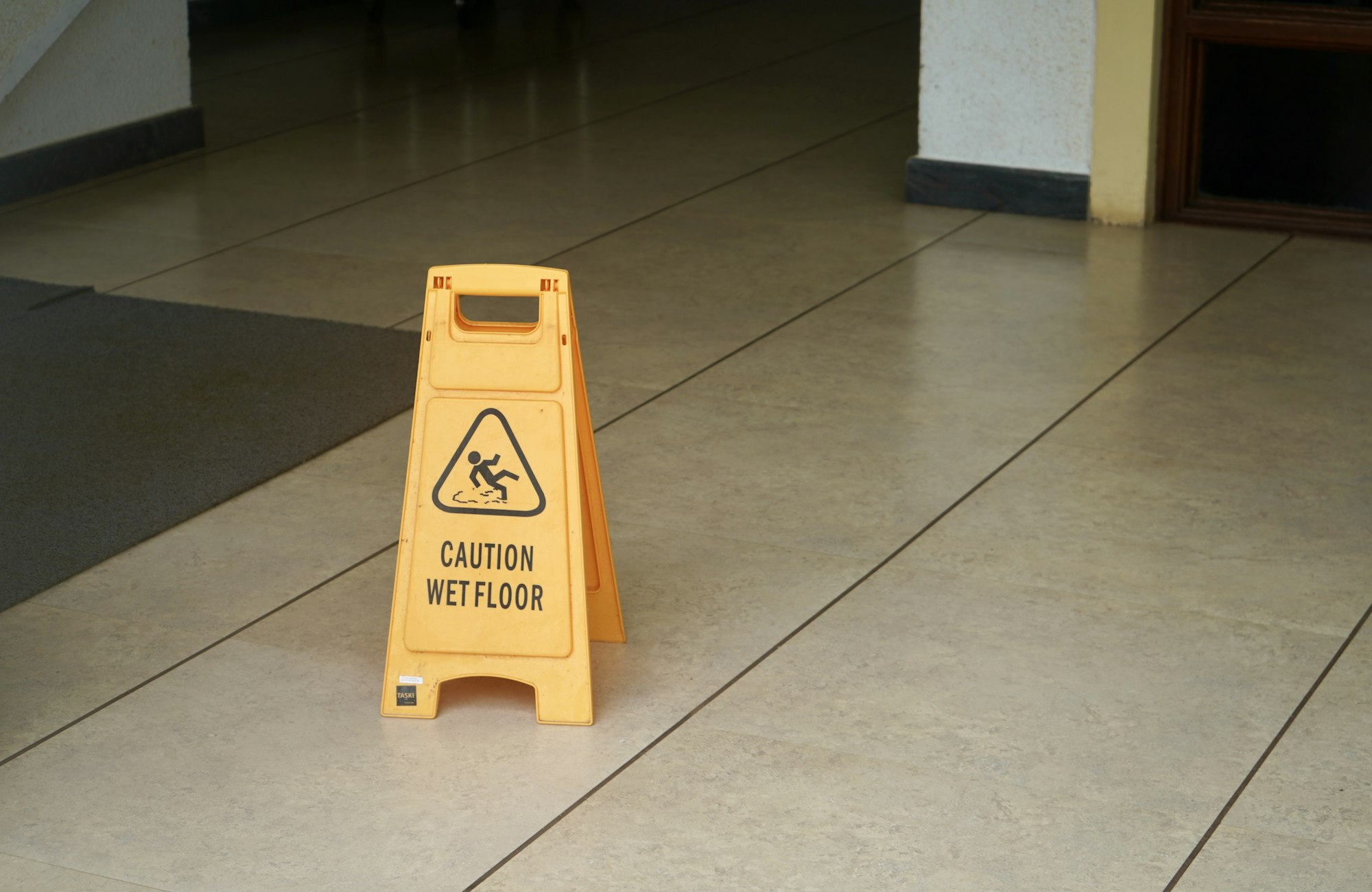
Falls in stores, restaurants, and shopping centers are common, and they can cause fractures, head injuries, and back injuries. But a fall on someone else’s property does not automatically mean the owner is responsible. California law asks a few specific questions.
The Basic Elements
To recover compensation, an injured shopper generally needs to show:
- A dangerous condition existed, such as a spill, a loose mat, or a broken floor tile.
- The business knew about the condition, or it existed long enough that the business should have found it with reasonable inspections.
- The business failed to fix it or warn customers within a reasonable time.
- The condition caused the fall and the injuries.
The Notice Problem
The hardest part of many store cases is the second element, called notice. If a customer spilled a drink seconds before you fell, the store may argue it had no reasonable chance to clean it up. That is why evidence of how long a hazard was there matters so much.
Useful evidence includes surveillance video, store sweep or inspection logs, employee statements, and photos showing dirt, cart tracks, or footprints through a spill, which suggest it had been there a while.
Steps After a Fall
- Report the fall to a manager and ask for a copy of the incident report
- Photograph the hazard, the area, and your shoes before anything is cleaned up
- Get names of employees and witnesses
- Get medical care and follow through with treatment
- Ask a lawyer to request the video quickly; many stores overwrite footage in days or weeks
Comparative Fault Still Applies
Stores often argue the shopper should have been watching. Under California’s comparative fault rule, that argument can reduce a recovery, but it does not automatically end it.
If you were hurt in a fall, call The JVB Law Firm for a free consultation.
This article is general information, not legal advice. Reading it does not create an attorney-client relationship. Every case is different; speak with a lawyer about your situation.